
Watching another person be bullied can have a huge impact on a child/teen. Most people are bothered when they see someone injured or insulted. Witnessing bullying creates a wide range of emotions and stresses that can take a toll on the bystander. From anxiety and uncertainty, to fear and guilt, bullying can significantly impact bystanders.
Bystanders suffer from something called the bystander effect, this refers to the phenomenon in which the greater the number of people present, the less likely people are to help a person in distress. It has been shown that in an emergency, observers are more likely to act if there are few or no other witnesses. During a bullying incident, if there is only one witness, that one person is more likely to help the victim. However, in a group of three or more people, no one person feels like it is their responsibility to act or intervene.
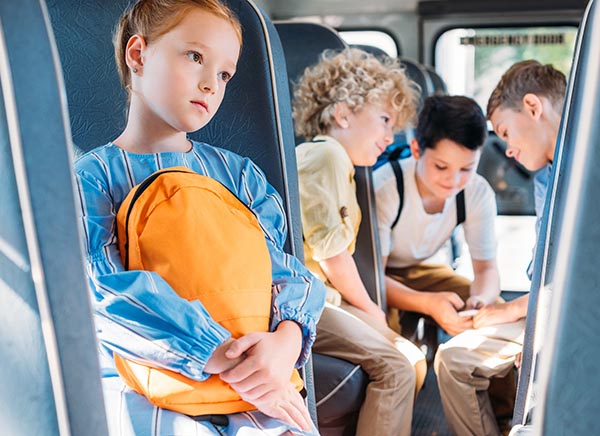
How does bullying impact bystanders:
- Anxiety – Bystanders also can develop anxiety about bullying. After witnessing a bullying incident, some bystanders begin to worry that they will be the next targets especially if the bullying is severe or an ongoing issue at the school. This anxiety also can lead the bystander to worry about safety and security at school.
- Depression – Children that are exposed to others being verbally and physically bullied are at risk of developing depression because they don’t know how to handle the emotions they are seeing and feeling.
- Fear – Fear is another reason why bystanders fail to do anything when they witness bullying. Some bystanders are afraid to say anything because they fear embarrassment or ridicule.
- Uncertainty – Some bystanders are plagued by uncertainty. They see the bullying and know in their heart that it is wrong, but they have no idea what to do.
- Guilt – After the bullying incident is over, many bystanders are weighed down with guilt. Not only do they feel bad for what happened to the victim, but they also experience overwhelming guilt for not intervening.
- Insecurity – Watching others being bullied puts teens on guard, they never know when they might witness it again. They don’t know how they will or can react the next time they see it, they feel helpless to the situation.
The harmful effects of bullying reach deeper than many parents may realize and effect more than those who are directly involved, as in the bully or the person being bullied. We feel all parents should check in with their child/teen to see if bullying is happening at school or online. Even if your child isn’t the target of bullying, simply being a witness to this type of hostility can impact your child/teen. At Cameron Pediatric Counseling, we can help you and your child through this. We will help to identify how they are feeling and come up with a plan to get then to understand what they are feeling and how they can get on the path to good mental health.


