Play Therapy is not just playing. Play therapy offers alternatives to everyday counseling. Play therapy is a structured, theoretical based approach to therapy, it builds on the normal communicative and learning processes of children and teens. At CPC, we strategically utilize play therapy techniques to assist children and teens in expressing what is troubling them when they cannot find the words to express their thoughts and feelings. Play therapy is implemented as a treatment of choice in mental health, school, agency, developmental, hospital, residential, and recreational settings, with clients of all ages.
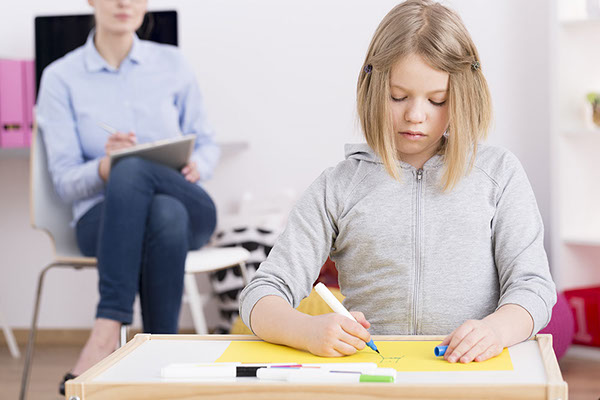
Play Therapy aids teens and children with a number of situations that they face every day –
- Teaches how to become more responsible for behaviors and develop more successful strategies
- Aids in developing new and creative solutions to problems
- Develop respect and acceptance of self and others
- Learn to experience and express emotion
- Cultivate empathy and respect for thoughts and feelings of others
- Learn new social skills and relational skills with family
- Develop self-efficacy and thus a better assuredness about their abilities
At Cameron Pediatric Counseling, we are well-trained in child development and the use of play as a way to communicate with children. When we are working with kids, we find the BEST way to engage them in a way that truly meets them exactly where they are. We have many effective tools in our skill set that guide us to engage with your child in different ways so that they don’t feel like the position in invasive and puts them on guard.
One of the main principles of child-centered play therapy is that we focus more on the person than the problem they are experiencing. Play therapy includes observing and engaging in pretend play, playing board games or digital games, creating art, working with sand trays, drawing, and much more. We follow your child’s lead. We use a variety of toys, games, and materials to do so, with our primary focus being on building a relationship in which your child feels seen, heard and accepted.
Play therapy techniques are not a magic pill, it is a way to speak with children that help us relate to them on their level and put them at ease. Your child may come out of a session saying that they just played a game, but it was a structured session where a lot of work was done, they just may not realize it to the full extent. At CPC, we are proud to use many techniques to communicate with your child and help your family get on the path to mental well-being.
“We don’t stop playing because we grow old, we grow old because we stop playing.” ~ George Bernard Shaw


